NDA Medical: Complete Guide to Eligibility, Standards, and Selection Process
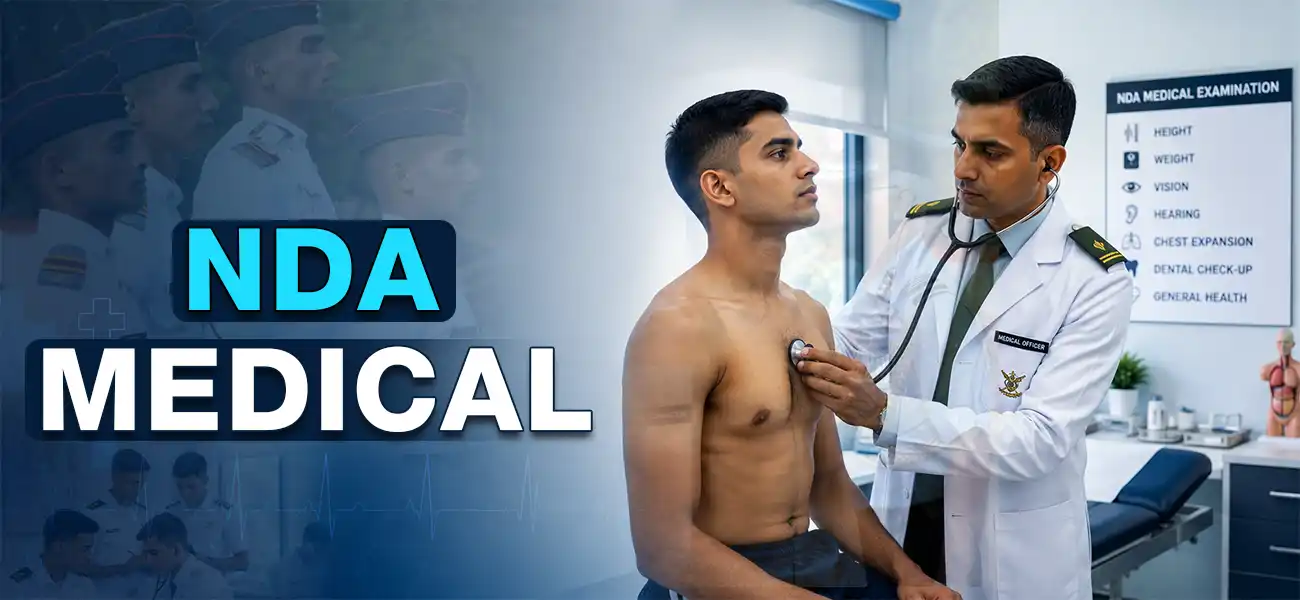
The NDA Medical examination is the final and most critical stage in the National Defence Academy selection process, where candidates undergo rigorous health and fitness assessments to ensure they meet the stringent medical standards of the Indian Armed Forces. This comprehensive evaluation determines whether aspirants are physically and mentally fit to undertake the demanding training at one of India’s most prestigious military institutions.
What Exactly is NDA Medical?
The NDA Medical test is a thorough medical examination conducted by the Services Medical Board (SMB) after candidates successfully clear the UPSC written examination and the SSB (Services Selection Board) interview. This medical assessment evaluates every aspect of a candidate’s health, including vision, hearing, dental health, surgical history, and overall physical fitness to ensure they can handle the rigorous training and operational demands of military service.defenceroad+3
The medical board consists of experienced military doctors who assess candidates against predefined standards specific to the Army, Navy, and Air Force wings of the NDA. Unlike regular medical check-ups, the NDA Medical examination follows strict defence protocols and can result in either temporary rejection (with scope for appeal) or permanent rejection based on the severity of medical conditions found.
NDA Medical Eligibility Criteria 2026
Age and Educational Requirements
Before appearing for the NDA Medical test, candidates must first meet the basic eligibility criteria:
Age Limit: 16.5 to 19.5 years (unmarried candidates only)
Educational Qualification:
Army Wing: 12th class pass (any stream)
Navy & Air Force Wings: 12th class with Physics, Chemistry, and Mathematic
- Gender: Both male and female candidates are eligible
Marital Status: Must be unmarried throughout the training period
Physical Standards Overview
The NDA Medical standards vary slightly across the three services, with the Air Force (especially the Flying Branch) having the most stringent requirements.
Height Requirements for NDA Medical
Minimum Height Standards (2026)
| Service/Wing | Male Candidates | Female Candidates |
|---|---|---|
| Army | 157 cm | 152 cm |
| Navy | 157 cm | 152 cm |
| Air Force (Ground Duty) | 157 cm | 152 cm |
| Air Force (Flying Branch) | 162.5 cm | 162.5 cm |
| Gorkhas/Northeast Hills | 152 cm | 148 cm |
| Lakshadweep Candidates | 155 cm | 150 cm |
Important Height Considerations
Height is measured without shoes, and candidates must stand straight against the stadiometer
Regional relaxations are available for candidates from specific geographical areas
For the Air Force Flying Branch, leg length (99-120 cm), thigh length (≤64 cm), and sitting height (≤96 cm) are also measured
Candidates below minimum height standards face permanent rejection during the NDA Medical examination
Weight Standards and BMI Requirements
Weight-for-Height Chart (Male Candidates, Ages 16-18)
| Height (cm) | Weight 16-17 yrs (kg) | Weight 18 yrs (kg) | Weight 19 yrs (kg) |
|---|---|---|---|
| 152 | 42.5 | 44.0 | 45.0 |
| 157 | 46.0 | 47.0 | 47.0 |
| 162 | 48.0 | 50.0 | 52.0 |
| 167 | 52.0 | 53.0 | 55.0 |
| 172 | 55.0 | 57.0 | 59.0 |
| 177 | 58.0 | 60.0 | 62.0 |
| 182 | 62.0 | 64.0 | 66.0 |
Weight Standards (Female Candidates, Ages 16-18)
| Height (cm) | Weight Range (kg) |
|---|---|
| 152 | 41.6 – 43 |
| 160 | 46.1 – 48 |
| 165 | 49.0 – 51 |
| 170 | 52.0 – 55 |
BMI Guidelines
Ideal BMI range: 18.5 to 25
Both underweight and overweight candidates may face temporary rejection
Excessive body fat or inadequate body weight are common reasons for NDA Medical rejection
Candidates are advised to maintain fitness through balanced diet and regular exercise well before the medical examination
Vision Standards for NDA Medical
Army and Navy Wing Vision Requirements
| Parameter | Standard |
|---|---|
| Distant Vision (Better Eye) | 6/6 or 6/9 (correctable to 6/6) |
| Distant Vision (Worse Eye) | 6/9 or 6/12 (correctable to 6/6) |
| Near Vision | N5 (better eye), N6 (worse eye) |
| Myopia Limit | Maximum -2.5D (including astigmatism) |
| Hypermetropia Limit | Maximum +3.5D |
| Colour Vision | CP-III (Defective Safe) |
| Spectacles | Allowed |
| LASIK Surgery | Accepted with conditions (stable refraction, minimum 1 year post-surgery) |
Air Force Wing Vision Requirements (Most Stringent)
| Parameter | Flying Branch | Ground Duty |
|---|---|---|
| Distant Vision | 6/6 in both eyes (uncorrected) | 6/6 or 6/9 (correctable) |
| Myopia | NIL (not permitted) | Within limits |
| Hypermetropia | Maximum +2.0D | Within limits |
| Colour Vision | CP-I (Normal) | CP-III |
| LASIK Surgery | Not permitted for pilots | Permitted with conditions |
Common Vision-Related Rejections in NDA Medical
High myopia beyond -2.5D
Colour blindness (especially for Air Force)
Keratoconus and other corneal diseases
Previous radial keratotomy (permanent rejection)
Unstable refraction post-LASIK
Common Medical Disqualifications in NDA Medical Test
Orthopedic Conditions
Flat Feet (Pes Planus):
Grade II and Grade III flat feet lead to outright rejection
The armed forces require a healthy arch for physical training and field duties
Mild cases (Grade I) may be considered on a case-by-case basis
Knock Knees (Genu Valgum):
Severe knock knees result in permanent rejection
The condition affects running, marching, and physical endurance
Spinal Abnormalities:
Scoliosis, kyphosis, and other spinal deformities are disqualifying
Previous spinal surgeries may lead to rejection depending on the procedure and recovery
Surgical History
Hernia: Candidates with current or recent hernia face temporary rejection until fully healed
Varicocele: May result in temporary rejection; surgical correction required
Appendectomy: Generally acceptable if fully recovered (minimum 6 months post-surgery)
LASIK/Refractive Surgery: Accepted for Army and Navy with conditions; not permitted for Air Force pilots
Dental Health
Missing teeth, poor alignment, and significant decay can result in rejection
Minimum 14 dental points required
Untreated cavities or gum disease lead to temporary rejection pending treatment
Candidates are advised to undergo dental check-ups before the NDA Medical examination
ENT (Ear, Nose, Throat) Conditions
Hearing Loss: Any significant hearing impairment leads to rejection
Chronic Sinusitis: May result in temporary or permanent rejection
Deviated Nasal Septum (DNS): Severe cases require surgical correction before clearance
Perforated Eardrum: Disqualifying condition
Skin Conditions and Tattoos
Chronic skin diseases (psoriasis, eczema, vitiligo) are disqualifying
Tattoo Policy:
Permanent body tattoos are only permitted on the inner forearm (from inside of elbow to wrist) and on the back of the hand
Tattoos on face, neck, or other visible areas lead to rejection
Religious markings (small tilak, bindi) are generally acceptable
Medical Conditions Leading to Rejection
Asthma: History of asthma after age 15 leads to rejection
Diabetes: Uncontrolled diabetes is disqualifying
Hypertension: Uncontrolled high blood pressure results in rejection
Heart Conditions: Any cardiac abnormalities lead to permanent rejection
Kidney Disorders: Chronic kidney disease is disqualifying
Neurological Disorders: Epilepsy, seizures, or history of head injury with complications
Female-Specific Medical Standards
For female candidates, the NDA Medical examination includes additional gynaecological assessments:
Menstrual Disorders: PCOS, amenorrhoea, or irregular cycles may require evaluation
Pregnancy: Pregnant candidates are declared temporarily unfit
Post-Surgical Timeline: Candidates who have undergone gynaecological surgeries must wait for complete recovery (typically 6 months) before medical examination
Minimum Height: 152 cm for all services except Air Force Flying (162.5 cm)
NDA Medical Test Procedure: Step-by-Step Process
Day 1: Initial Screening
Registration and Documentation: Candidates submit medical history forms and previous surgical records
General Physical Examination: Height, weight, chest measurement, and BMI calculation
Vision Testing: Comprehensive eye examination including colour vision, refraction, and fundus examination
Dental Examination: Assessment of dental points, cavities, and oral health
Day 2-3: Specialised Tests
ENT Examination: Hearing tests, nasal examination, and throat assessment
Orthopedic Evaluation: Assessment for flat feet, knock knees, spinal alignment, and joint mobility
Surgical History Review: Detailed discussion of any previous surgeries or medical conditions
Laboratory Tests: Blood tests, urine analysis, and other diagnostic investigations
Day 4-5: Final Assessment
Specialist Consultations: Cardiology, neurology, or other specialist reviews if required
Chest X-ray and ECG: Routine imaging and cardiac evaluation
Final Medical Board Review: All findings are compiled and reviewed by the SMB
Declaration of Results: Candidates are informed of their medical fitness status
Temporary vs Permanent Rejection in NDA Medical
Temporary Rejection (TR)
Candidates may receive temporary rejection for conditions that are correctable or require time to heal:
Underweight/Overweight: Given time to achieve appropriate weight
Dental Issues: Time allowed for dental treatment
Minor Surgical Conditions: Hernia, varicocele, or DNS requiring surgery
Recent Illness: Recovery period for infections or acute conditions
Unstable Refraction Post-LASIK: Time allowed for stabilization
Appeal Process for TR:
Candidates are given a specified timeline (usually 42 days) to correct the condition
Re-examination is conducted at the Appeal Medical Board (AMB)
Successful correction leads to final clearance
Permanent Rejection (PR)
Certain conditions result in permanent rejection with no scope for appeal:
Height below minimum standards
Severe colour blindness (especially for Air Force)
Chronic diseases (diabetes, epilepsy, heart conditions)
Severe orthopedic deformities (Grade III flat feet, severe knock knees)
Previous radial keratotomy
Disqualifying tattoos on prohibited body parts
How to Prepare for the NDA Medical Test
Pre-Medical Preparation Checklist
6-12 Months Before:
Maintain a balanced diet to achieve ideal BMI (18.5-25)
Regular physical exercise to build stamina and strength
Avoid junk food and maintain hydration
Get a comprehensive health check-up to identify any underlying conditions
3-6 Months Before:
Address dental issues (cavities, alignment, gum disease)
If planning LASIK, ensure it’s done well in advance (minimum 1 year for Army/Navy)
Treat any chronic conditions under medical supervision
Remove any disqualifying tattoos if possible
1 Month Before:
Avoid excessive salt and processed foods to prevent water retention
Get adequate sleep (7-8 hours daily)
Stay hydrated and maintain a regular exercise routine
Gather all medical records and surgical documents
1 Week Before:
Avoid strenuous exercise that might cause muscle strain or injury
Get a final health check-up
Ensure proper rest and avoid travel fatigue
Prepare all required documents (ID proof, medical history, surgical records)
Common Mistakes to Avoid in NDA Medical
Last-minute weight loss/gain: Rapid changes can affect health parameters
Hiding medical history: Non-disclosure can lead to disqualification even after selection
Ignoring minor ailments: Small issues can escalate during rigorous training
Poor dental hygiene: Dental problems are among the most common temporary rejections
Inadequate documentation: Missing surgical records can delay the process
NDA Medical Test for Specific Branches
Army Wing Medical Standards
The Army has relatively flexible standards compared to other services:
Height: 157 cm (male), 152 cm (female)
Vision: 6/6 or 6/9 correctable; spectacles allowed; LASIK permitted
Physical Fitness: Emphasis on endurance, strength, and agility
Special Considerations: Regional height relaxations for Gorkhas and Northeast candidates
Navy Wing Medical Standards
The Navy maintains standards similar to the Army with additional considerations:
Height: 157 cm (male), 152 cm (female)
Vision: 6/6 in both eyes preferred; LASIK accepted after 1 year with stable refraction
Leg Length: 99-120 cm
Special Considerations: Swimming ability and water confidence are assessed
Air Force Wing Medical Standards (Most Stringent)
The Air Force, especially the Flying Branch, has the strictest NDA Medical requirements:
Height: 162.5 cm for Flying Branch (both male and female)
Vision: 6/6 uncorrected in both eyes for pilots; no myopia permitted
Colour Vision: CP-I (normal) mandatory for Flying Branch
LASIK: Not permitted for pilots (permanent rejection)
Anthropometric Measurements: Leg length, thigh length, and sitting height strictly measured
Ground Duty: More relaxed vision standards similar to Army/Navy
Frequently Asked Questions About NDA Medical
Q1: Can candidates with spectacles appear for the NDA Medical?
Answer: Yes, candidates with spectacles can appear for the NDA Medical test for Army and Navy wings, provided their vision is correctable to 6/6 and myopia/hypermetropia is within permissible limits (-2.5D/+3.5D). However, for Air Force Flying Branch, uncorrected 6/6 vision is mandatory, and spectacles lead to rejection.
Q2: Is LASIK surgery accepted for NDA Medical?
Answer: LASIK is accepted for Army and Navy wings if:
Surgery was performed at least 1 year before the medical examination
Refraction is stable
No complications exist
Candidate meets all other vision standards
However, LASIK is not permitted for Air Force Flying Branch (pilots) and results in permanent rejection.
Q3: What happens if I am temporarily rejected in NDA Medical?
Answer: Temporary rejection (TR) means you have been given time to correct a medical condition. You will be given a timeline (usually 42 days) to address the issue and appear for an Appeal Medical Board (AMB). Common TR reasons include underweight/overweight, dental issues, minor surgical conditions, and unstable refraction post-LASIK.
Q4: Can I appeal a permanent rejection in NDA Medical?
Answer: Permanent rejection (PR) is generally final with no scope for appeal. However, in rare cases where there is a clear medical error, candidates can request a Review Medical Board (RMB). Conditions like height below minimum, severe colour blindness, chronic diseases, and severe orthopedic deformities typically result in PR.
Q5: How important is dental health in NDA Medical?
Answer: Dental health is crucial in the NDA Medical examination. Candidates must have a minimum of 14 dental points, and issues like missing teeth, poor alignment, significant decay, or gum disease can lead to temporary or permanent rejection. It is advisable to undergo a dental check-up and address any issues before the medical examination.
Q6: Are tattoos allowed for NDA candidates?
Answer: Permanent body tattoos are only permitted on:
Inner forearm (from inside of elbow to wrist)
Back of the hand
Tattoos on the face, neck, or other visible body parts lead to rejection during the NDA Medical test. Small religious markings (tilak, bindi) are generally acceptable.
Q7: What is the chest measurement requirement for NDA Medical?
Answer: The minimum chest measurement is 81 cm (expanded) with at least 5 cm expansion for male candidates. This ensures candidates have adequate lung capacity and physical fitness for military training.
Q8: Can female candidates with PCOS appear for NDA Medical?
Answer: Yes, female candidates with PCOS (Polycystic Ovarian Syndrome) can appear for the NDA Medical test, but the condition will be evaluated. If PCOS is well-managed and does not affect overall fitness, candidates may be cleared. However, severe menstrual disorders or related complications may require additional evaluation.
Why Awareness of NDA Medical Matters for Every Aspirant
The NDA Medical is not just a formality — it is the final confirmation that you are ready for the demanding life of a defence officer. Candidates who prepare their bodies as diligently as they prepare for the written exam and SSB stand a much higher chance of success. Early awareness prevents heartbreak after clearing the tougher stages.
Indian Defence Institute – recognised as the Best NDA Coaching in Dehradun – understands that success in NDA requires more than academics. Our holistic training programmes integrate written exam preparation, SSB interview grooming, physical conditioning, and guidance on medical fitness standards. With experienced faculty (including ex-defence personnel), a disciplined environment, and focused mentorship in the educational hub of Dehradun, we help aspirants build the complete profile of a future officer. From height-weight management tips and fitness routines to awareness sessions on medical criteria, Indian Defence Institute equips candidates to face every stage — including the crucial NDA Medical — with confidence.
Prepare thoroughly, stay fit, stay honest, and approach the NDA Medical with the same determination you bring to the rest of your NDA journey. The uniform awaits those who are ready in body, mind, and spirit.
Get Free Counselling